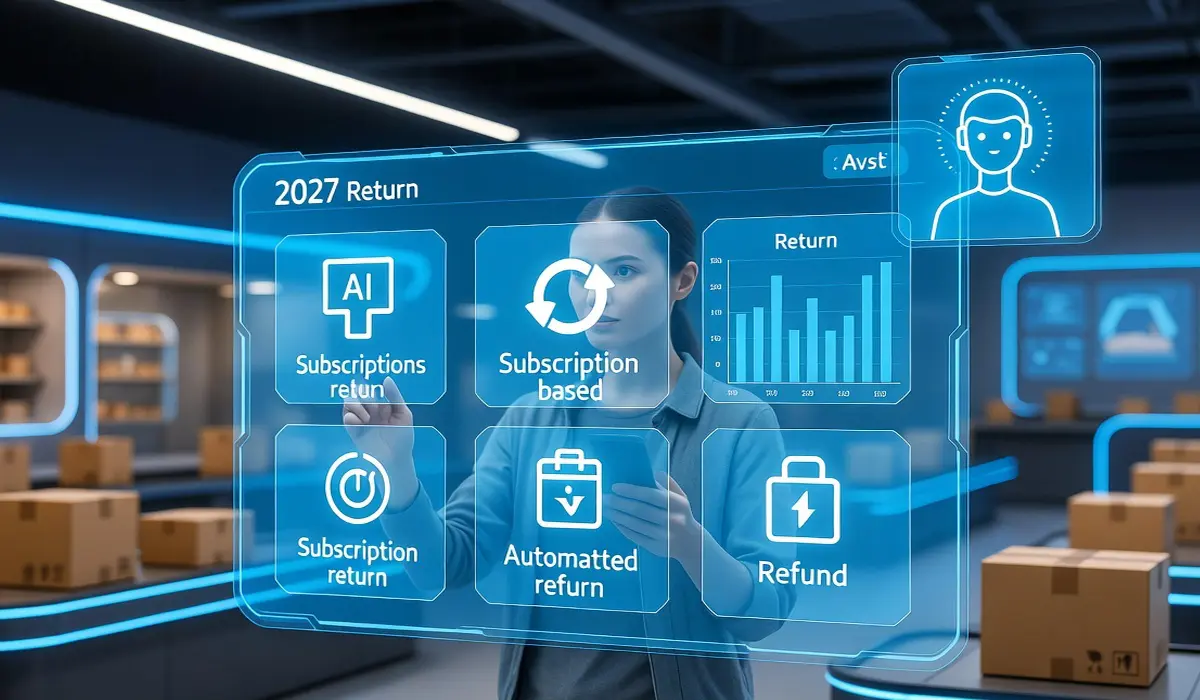
Remember when free returns were standard? That era is ending. By 2027, returning an online purchase will look very different – and likely cost you money unless you pay a subscription.
I've been tracking retail trends for five years, and the shift is already visible. Amazon Prime's "free returns" aren't really free – you pay a membership fee. Walmart+ has free returns for members. Now Best Buy and Target are testing subscription return add‑ons.
Let me walk you through what's coming, so you're not surprised.
📦 The Rise of Subscription‑Based Return Programs
In 2026, several major retailers are piloting or rolling out return subscriptions:
- Amazon Prime is the model everyone copies. You pay $139/year, and you get free returns on most items. Non‑members pay return shipping or drop‑off fees.
- Walmart+ ($98/year) includes free returns from your home (pickup) or in‑store.
- Target Circle 360 (launching late 2026) – $99/year includes unlimited free returns and same‑day delivery.
- Best Buy Total ($179/year) already includes free returns and no restocking fees on electronics – a huge perk.
- Startups like Returnly and Loop offer standalone return subscriptions for $9‑15/month that work across multiple stores. You pay a monthly fee, and they cover return shipping from any partner retailer.
By 2027, I predict that free returns will disappear for non‑members entirely. Stores will charge $5‑10 per return, or you'll need to buy a membership. For frequent online shoppers, the math will favour subscription models.
🤖 How AI Will Get Smarter (And Harder to Fool)
In article‑11, we talked about AI detecting return fraud. By 2027, these systems will be everywhere and much more sophisticated:
- Photo and video analysis. AI will analyse your return photos to verify damage claims. If you claim a scratch but the photo is blurry or staged, the system auto‑denies.
- Return reason verification. If you say "defective" but the store sees you bought the same item elsewhere, the AI will flag you.
- Cross‑store tracking. A consortium of retailers (Amazon, Walmart, Target, Best Buy) is reportedly building a shared return database. Return too much at one store, and the others will know – potentially limiting your return privileges across all of them.
The days of "wardrobing" (buying clothes, wearing once, then returning) are numbered. Soon, AI will flag your account after just two or three such returns.
🏬 What Stores Will Change by 2027
- Shoppable return drop‑offs. Amazon already has this at Kohl's – you return a package and get a coupon. By 2027, more stores will turn return locations into mini‑stores where you're encouraged to buy while dropping off.
- Returnless refunds for low‑cost items. For items under $10‑15, many stores will just refund you and let you keep the item. It's cheaper than processing the return. Already happening on Amazon and Target.
- Dynamic return windows. Your return window may shrink if you have a high return rate, and extend if you're a loyal customer with few returns. Stores will personalize return policies using AI.
- Instant exchange credits. Startups like Returnly let you get store credit before you even mail back the item – the system scans your return label and credits you instantly. Expect big retailers to adopt this.
🛡️ How Shoppers Can Prepare Now
Don't wait until 2027 to adapt. Here's what you can do today:
- Join one or two store membership programs. If you shop mostly at Amazon, Prime is worth it. If you're a Target fan, watch for Circle 360. The membership will pay for itself in return fees within a few months.
- Consolidate your shopping. Instead of spreading purchases across ten stores, focus on two or three where you have memberships. Your return rate per store stays lower, and you avoid fees.
- Be more deliberate before buying. With returns costing money, the "buy three, return two" strategy will become expensive. Read reviews, check size charts, and ask questions before clicking "buy".
- Keep your return rate low. Aim for under 20% of purchases. If you're a serial returner, start changing habits now – or face account flags.
- Use browser extensions that track return policies. Tools like "Returnly" or "Capital One Shopping" alert you to return windows and fees before you buy.
🎲 Wild Card: Return‑Free Refunds Go Mainstream
One trend that could explode by 2027: return‑free refunds. Amazon already does this for some items – you get a refund and don't need to send the product back. It sounds crazy, but for cheap, bulky, or unsellable items, it's cheaper for the store to let you keep it.
By 2027, I expect this to expand to items under $50 from major retailers. You'll click "return" in the app, get an instant refund, and either donate or recycle the item. This is great for the environment and for shoppers – but it's only for low‑cost goods. Don't expect it for your $800 laptop.